Ghana real estate stands at a turning point in 2026. The market combines political stability, falling inflation rates, and a housing shortage of 1.8 million units. GDP growth hovers around 5.8%, while diaspora remittances exceed $5 billion annually. These fundamentals create conditions where property values in urban centers appreciate 8-10% each year.
Foreign investors now access streamlined processes through the Ghana Investment Promotion Centre. Local buyers benefit from expanding mortgage programs and digitized land registration systems. The question shifts from whether to invest to where and how to position yourself in this evolving landscape.
Where Should You Focus Your Investment in Ghana Real Estate?
Greater Accra drives the market.
Airport Residential and Cantonments attract diplomatic and executive tenants, with properties ranging from $450,000 to $1.5 million. East Legon serves families and Airbnb operators who target business travelers and diaspora visitors.
Weija Gbawe and West Hills offer accessible entry points.
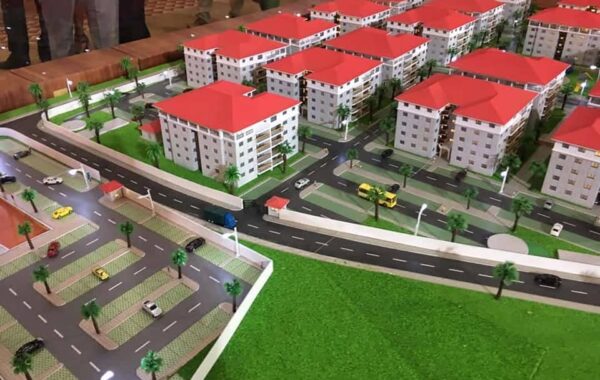
Eden Heights exemplifies this segment with gated security, resort-style amenities, and proximity to West Hills Mall. Properties here start lower than central Accra while delivering solid appreciation as infrastructure expands.
Kumasi presents regional opportunities.
The Ashanti capital draws professionals and businesses seeking mid-range estates between $100,000 and $250,000. Takoradi benefits from port expansion and oil sector activity. Coastal areas like Cape Coast and Prampram attract vacation home buyers and hospitality developers.
What Returns Should You Expect From Property Investments?
Prime Accra locations generate 5-10% annual capital appreciation.
When you factor in rental income, total returns reach 8-12% in well-managed properties. Rental yields alone produce 7-10% gross returns, with short-term lets commanding higher rates during festive seasons.
Your returns depend on location quality and property management.
Gated communities with professional maintenance, security, and amenities consistently outperform standalone properties. Expatriate and corporate tenants prefer serviced apartments in established neighborhoods, creating stable demand.
Currency improvements under IMF-supported reforms reduce forex risk for international investors. The cedi’s relative stability in 2025-2026 protects dollar-denominated returns better than previous cycles.
How Do You Structure a Property Purchase in Ghana?
Start with market research.
Study neighborhood trends, infrastructure plans, and supply pipelines before selecting a location. Choose your investment type based on goals: residential apartments for steady rental income, land banking for long-term appreciation, or commercial properties for higher yields.
Work with licensed developers and registered real estate agents.
Verify credentials through professional bodies and check completed projects. Eden Heights demonstrates the value of established developers who deliver quality construction, clear documentation, and ongoing facility management.
Legal due diligence protects your investment.
Visit the Lands Commission to confirm land titles and ownership. Check zoning compliance and search for existing encumbrances. Hire a property lawyer to review sale agreements and handle registration with both Lands Commission and Ghana Revenue Authority.
Financing options expand in 2026.
Local banks offer mortgages to qualified buyers, while diaspora programs from Republic Bank, Stanbic, Fidelity, and CalBank provide targeted products. Interest rates remain relatively high, so equity-heavy purchases dominate the market.
What Legal Requirements Apply to Foreign Investors?
Foreigners access ghana real estate through leasehold arrangements up to 50 years, renewable upon expiration. Ghanaian citizens hold freehold or leasehold interests up to 99 years. This distinction affects long-term planning but doesn’t diminish investment viability when you select quality locations.
Property taxes range from 0.5-3% based on valuation. Rental income faces 8% tax for residents and 15% for non-residents. Capital gains tax takes 15% of sale profits. Stamp duties add 0.25-1% of contract value. Factor these costs into your return projections from day one.
Registration with tax authorities ensures compliance and protects your ability to sell or transfer property later. Professional accountants familiar with real estate taxation help optimize your structure while meeting legal obligations.
Why Does Professional Management Matter for Your Returns?
- Properties with strong management systems achieve higher occupancy and command premium rents. Eden Heights provides 24-hour security, maintenance services, waste management, and on-site facility management. These services attract quality tenants who pay market rates and stay longer.
- Self-management works for single properties near your residence. Multiple units or remote investments require professional oversight. Property management companies handle tenant screening, rent collection, maintenance coordination, and compliance issues. Their fees typically run 8-10% of rental income but preserve property value and reduce vacancy periods.
Your Entry Point Into Ghana’s Property Market
Ghana real estate in 2026 offers accessible entry points across multiple segments. The housing deficit ensures long-term demand. Improving infrastructure and digitized systems reduce traditional friction points. Political stability and economic reforms create predictable conditions for planning multi-year investments.
Select locations where infrastructure development follows population growth. Partner with transparent developers who combine quality construction with proper documentation. Budget for all costs including taxes, legal fees, and ongoing management. Position yourself in neighborhoods where demand fundamentals support both occupancy and appreciation.
FAQs
Is 2026 a good time to invest in ghana real estate?
Yes. Falling inflation, stable GDP growth, and improved financing options create favorable conditions. The 1.8 million unit housing deficit ensures sustained demand.
What returns do Accra properties generate?
Prime Accra locations deliver 8-12% total returns combining 5-10% appreciation and 7-10% rental yields. Location and management quality drive actual performance.
How do foreign investors purchase property legally?
Foreigners access 50-year leaseholds through licensed developers. Complete due diligence at Lands Commission, work with property lawyers, and register with tax authorities.
Which neighborhoods offer the best value?
Weija Gbawe and West Hills provide accessible pricing with strong growth potential. East Legon suits Airbnb investors. Airport Residential serves luxury buyers.
How does Eden Heights support investor goals?
Eden Heights combines gated security, resort amenities, and professional management near West Hills Mall. The location attracts families, professionals, and expatriates seeking quality housing with reliable returns.
Ready to build your portfolio in West Africa’s most stable property market? Contact Eden Heights today for investment opportunities that combine security, lifestyle, and financial performance in Ghana’s thriving real estate sector.