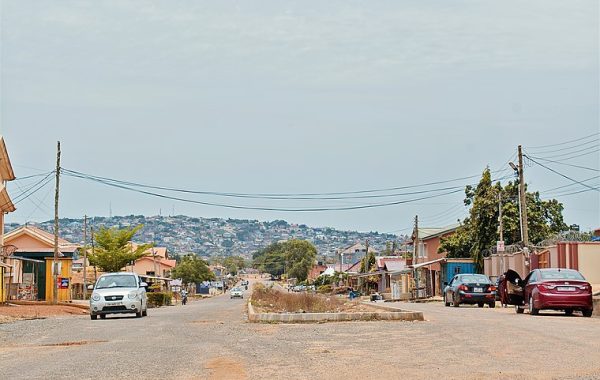

House prices in Ghana in 2026 range from under $100,000 for suburban apartments to more than $1 million for detached homes in Airport Residential and Cantonments, with the Weija-Gbawe corridor among the lower-cost parts of Accra. Eden Heights sells apartments in that corridor behind West Hills Mall, so this guide sets its own price list beside the wider market.
What Are Current House Prices in Ghana Across Major Cities?
Greater Accra dominates Ghana’s residential market, accounting for 65% of all property transactions. Average prices in the capital range from $90,000 for suburban apartments to over $1.5 million for luxury homes in prime neighborhoods.
Airport Residential leads the market at $500,000 to $1.5 million for detached houses. The area attracts diplomats, business executives, and high-net-worth buyers seeking security and prestige. Nearby Cantonments follows closely, with properties priced between $400,000 and $950,000.
East Legon remains popular among families and returnees, offering homes from $300,000 to $700,000. The neighborhood combines modern amenities with established schools and shopping centers. Labone and Osu appeal to young professionals and short-let investors, with prices ranging from $250,000 to $600,000.
The Weija-Gbawe area presents the best value for buyers seeking quality at accessible prices. Properties here cost between $90,000 and $250,000, making the zone attractive for first-time buyers and investors. Eden Heights sits in this growth corridor, offering gated community living near West Hills Mall with two-bedroom apartments starting around $130,000.
Tema Community 25 serves middle-income buyers with homes priced from $150,000 to $350,000. The Spintex-Nungua corridor has emerged as a growing hub, with three-bedroom houses averaging $200,000 to $400,000.
Regional capitals show lower entry points. Kumasi offers mid-market homes in areas like Ahodwo and Danyame for $120,000 to $250,000. Takoradi’s coastal properties range from $100,000 to $220,000, while Cape Coast provides affordable options at $80,000 to $180,000. Tamale’s new gated estates target middle-income professionals with prices between $60,000 and $120,000.
How Do Property Types Affect House Prices in Ghana?
One-bedroom apartments in central Accra start at $70,000, rising to $120,000 in prime locations. These units suit young professionals and diaspora buyers seeking rental income.
Two-bedroom apartments cost $100,000 to $250,000 depending on location and amenities. Suburban developments offer better value, while central properties command premium prices.
Three-bedroom townhouses range from $220,000 to $450,000 across Accra. Families and expatriates prefer these properties for their space and security features.
Four to five-bedroom detached homes cost $400,000 to $900,000 in top neighborhoods. These properties appeal to high-income locals and international investors prioritizing privacy and status.
Serviced apartments and condos attract short-let investors at $150,000 to $600,000. Osu, Labone, and Ridge locations generate strong returns from corporate travelers and tourists.
Where Should You Invest in Ghana’s 2026 Property Market?
Weija-Gbawe Municipal offers the strongest growth potential for budget-conscious investors. Properties here cost 40% to 60% less than central Accra while providing modern amenities and security. Eden Heights demonstrates this value proposition with quality apartments priced competitively at $120,000 to $250,000, featuring sports facilities, 24-hour security, and professional property management.
East Legon Hills continues attracting buyers seeking semi-prime locations at mid-market prices. Tema’s established infrastructure supports steady appreciation, while Prampram’s coastal development presents long-term opportunities.
Kumasi suburbs benefit from highway expansions and university growth. Takoradi’s oil and gas sector sustains demand for quality housing. Short-let investors should focus on Osu, Cantonments, and Labone for maximum occupancy rates.
What Drives House Prices in Ghana in 2026?
Inflation has moderated to around 10%, down from recent highs. This stability helps mortgage providers offer more predictable terms. GDP growth between 5% and 6% strengthens purchasing power across income brackets.
Diaspora financing fuels significant demand. Direct remittance-to-property investment channels have expanded, with returnees prioritizing security, modern amenities, and proximity to international schools.
Infrastructure improvements raise property values immediately. Roads, electricity corridors, and water supply upgrades make previously peripheral areas more attractive. Developments near shopping centers like West Hills Mall command premiums for convenience.
Construction material costs stabilized in late 2025 after two years of volatility. This trend supports developers’ ability to deliver projects on schedule without excessive price adjustments.
Your Next Steps in Ghana’s Property Market
House prices in Ghana reflect a maturing market where quality, location, and developer reputation determine value. Focus on growth corridors like Weija-Gbawe for entry-level investments or established neighborhoods for premium returns. Verify all title documentation before committing funds. Work with developers who demonstrate transparent pricing and proven delivery records.
Related guides
Frequently asked questions
What determines house prices in Ghana’s major cities?
Location, infrastructure access, security features, and proximity to schools, malls, and healthcare facilities drive prices. Developer reputation and amenity quality add premiums.
Where do first-time buyers find affordable options in Accra?
Weija-Gbawe, parts of Tema, and Kasoa offer quality homes from $60,000 to $150,000 with good appreciation potential and modern facilities.
Are gated communities worth higher prices?
Yes. Gated communities provide security, maintenance services, recreational facilities, and stronger resale values compared to standalone properties.
How do diaspora buyers shape Ghana’s real estate market?
Diaspora investors account for a significant portion of prime and mid-market purchases, driving demand for turnkey properties with professional management services.
What role does Eden Heights play in Ghana’s 2026 housing market?
Eden Heights proves that luxury amenities and secure living are accessible at mid-market prices in growth corridors, setting benchmarks for quality development outside central Accra.
Looking to invest where comfort meets value? Explore Eden Heights in Weija-Gbawe for modern living and solid returns in Ghana’s 2026 property market. Contact the sales team to schedule your property tour.