
You’ve been renting for three years. Every January, your landlord sends a new figure. You pay it, because what else do you do? Meanwhile, your colleague just bought a two-bedroom apartment in Accra West and will move in next month. You start asking questions. Is it actually possible to buy a house in Ghana and pay monthly instead of watching your rent feed someone else’s investment?
The answer is yes. But it takes a plan.
This guide walks you through the practical steps. No fluff. Just what you need to know to get from renter to owner.
Know Your Real Number First
Before you speak to any bank or developer, sit down with your actual numbers. Write down your net monthly income. Then list your rent, transport, food, phone, loans, and anything else that leaves your account every month.
What’s left? That gap is where your house payment comes from.
A general rule: your monthly housing payment should not exceed 30% of your net income. If you earn GHS 6,000 a month, you are looking at a comfortable ceiling of GHS 1,800 for a monthly instalment. This forces you to be honest about what range of property you are shopping for.
Also, budget for the costs most first-time buyers forget. Legal fees, stamp duty, valuation, and property registration together can add 8 to 23% on top of the purchase price. Factor this in from day one.
Building Your Deposit: The First Real Step
Even when you buy a house in Ghana and pay monthly, you still need an initial deposit. Developer plans typically require 10 to 40% upfront. Banks want 20 to 30% minimum, sometimes more, for diaspora buyers paying in cedis.
If you do not have it yet, here is how to build it:
Set up a standing order to a separate savings account on payday. Treat it like a bill, not optional. Join a susu group with trusted colleagues or family members and earmark your turns for the house fund. Use any side income, bonuses, or overtime exclusively for this goal. Depending on your income and target property, most buyers in this market need 1 to 3 years of consistent saving to hit a workable deposit.
Your Two Main Routes to Monthly Payments
Bank Mortgage
A mortgage is a loan from a bank secured against the property you are buying. You repay it over 10 to 20 years in monthly instalments.
In Ghana, cedi-denominated mortgage rates currently range from 24 to 36% annually, which makes repayments steep. However, USD-denominated mortgages from lenders like Republic Bank and First National Bank start at 10.5 to 11.5%, which is significantly better for buyers earning in dollars. Diaspora buyers should explore these products specifically.
Key requirements: stable income for at least two years, clean credit, a down payment, and completed documentation.
Developer Instalment Plans
This is the more accessible route for most first-time buyers. You pay a deposit directly to the developer, then spread the remaining balance over an agreed period. No bank interest. No lengthy loan approval process.
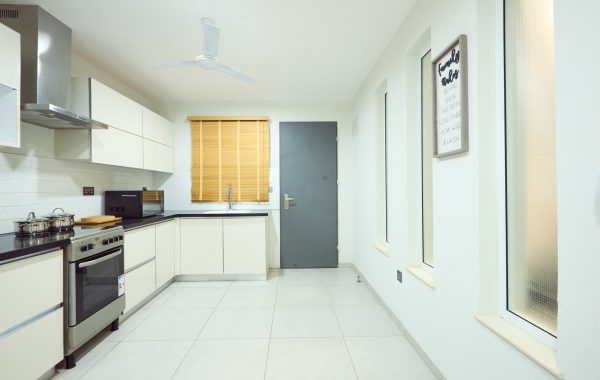
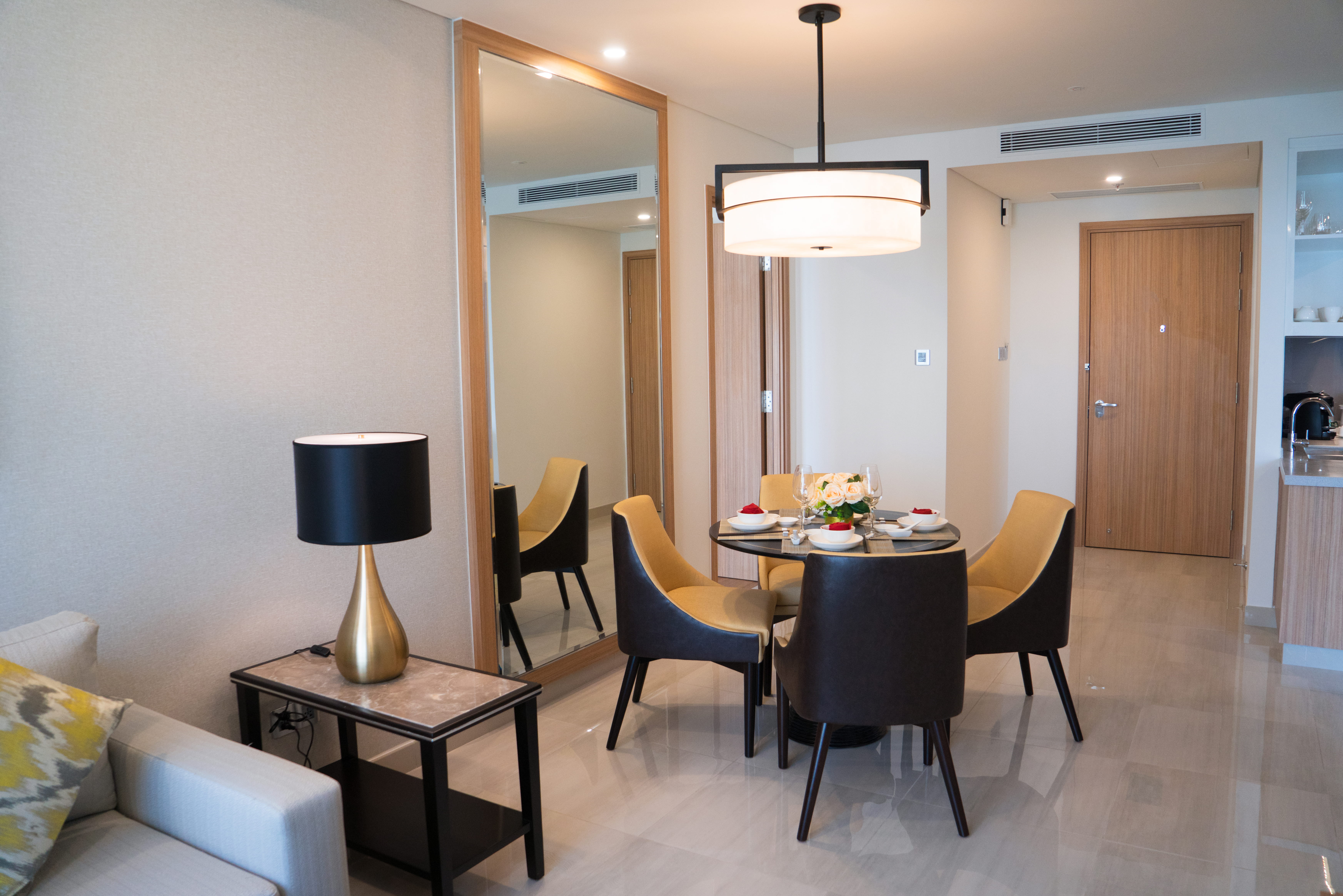
Eden Heights, located behind West Hills Mall in Accra, offers exactly this kind of structured plan. With deposits starting from 10 to 30% and payment terms of 12 to 36 months, buyers can secure a two or three-bedroom apartment and continue paying monthly while the units are completed. Their policy allows residents to move in after paying 50%, which means you are not waiting years to step through your own door.
Units at Eden Heights start from $85,000, covering two-bedroom apartments up to penthouses. For a diaspora buyer or a professional who has been saving consistently, this is a realistic entry point.
Start on the Property Ladder, Not the Perfect Home
Your first property does not need to be your forever home. A two-bedroom apartment in a well-managed estate gives you ownership, appreciation, and a starting point. Eden Heights fits this model, offering a gated community with 24-hour security, gym facilities, a swimming pool, and professional on-site management. You are not just buying walls. You are buying a managed living environment.
Protect Yourself Before You Sign Anything
Always hire a lawyer to review your agreement before signing. Confirm the title or leasehold at the Lands Commission. Check that building permits are valid. A shortcut here can cost you far more than the legal fee.
Hidden Costs to Budget For
Stamp duty (0.25 to 1%), legal fees (1 to 2%), valuation costs, property registration, and service charges in gated communities. Add these to your total budget, not as afterthoughts.
Your Next Step Starts Today
The market is not waiting. Ghana’s housing deficit stands at 1.8 million units, and property values in Accra appreciate at 8 to 12% annually. Every year you delay, the entry price rises.
You do not need to be wealthy to buy a house in Ghana and pay monthly. You need a deposit plan, a financing route, and a credible developer or lender. Start with one step: calculate your number, open a dedicated savings account, and book a consultation with the Eden Heights sales team to understand your payment options.
You are already paying a mortgage. Make it yours.
Frequently Asked Questions
Q: What is the minimum deposit to buy at Eden Heights?
A: Deposits start from 10 to 30% of the purchase price, with payment terms of 12 to 36 months.
Q: Can Ghanaians in the diaspora buy a house in Ghana and pay monthly?
A: Yes. Both developer instalment plans and USD-denominated bank mortgages make this accessible. Republic Bank and FNB Ghana both offer diaspora-specific mortgage products.
Q: What are the current mortgage rates in Ghana?
A: Cedi mortgages range from 24 to 36% annually. USD mortgages from lenders like Republic Bank start at 11.5%, which is the better option for those earning in foreign currency.
Q: Are there government programs for first-time buyers?
A: Yes. The National Housing and Mortgage Fund targets low and middle-income buyers and public sector workers with rates below commercial market levels. Check if you qualify before committing to a commercial mortgage.
Q: What hidden costs should I budget for when buying in Ghana? A: Add 8 to 23% of the property price to cover legal fees, stamp duty, valuation, registration, and any service charges applicable to your estate.
Ready to explore your options? Visit Eden Heights behind West Hills Mall or contact the sales team to get a detailed breakdown of current unit prices and monthly payment plans.