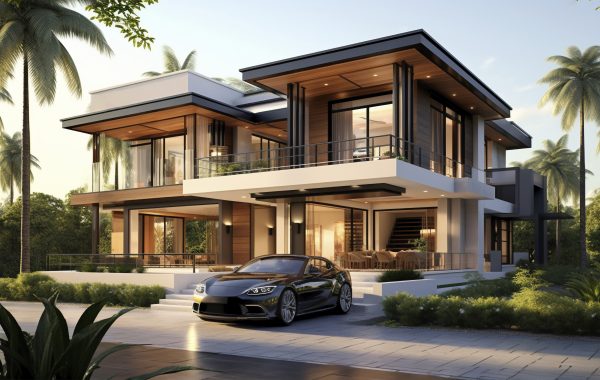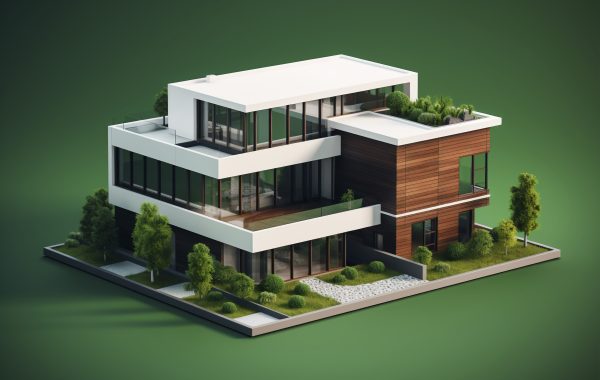

Accra real estate is at a turning point. Ghana’s economy is stabilising, interest rates are easing, and a growing pool of professionals and diaspora buyers is pushing demand in ways the market has not seen in years. If you are thinking about buying property in Accra, 2026 offers a window that rewards buyers who plan with data, not guesswork.
This guide breaks down where prices stand today, which neighbourhoods make the most sense depending on your goals, and why Western Accra is increasingly the most compelling buy for serious investors.
What the Market Looks Like Right Now
The Bank of Ghana cut its policy rate to 18% by the end of 2025, a 10-point drop that is slowly opening doors to mortgage financing. Market analysts project that Accra property prices will maintain an annual growth rate of 5 to 8% through 2026, with prime neighbourhoods potentially seeing double-digit growth.
That growth is not speculative. It is grounded in a persistent housing shortage, sustained diaspora inflows, and a maturing preference for managed, amenity-rich communities. Apartments in Accra command a higher price per square meter than standalone houses, because buyers pay a premium for security, backup utilities, and prime land in compact footprints.
Where Prices Stand in 2026
Here is a practical snapshot of what buyers are paying across key locations:
| Location | Price Range (USD) | Market Profile |
| Airport Residential / Cantonments | $450,000 to $1.2M | Corporate, diplomatic demand |
| East Legon | $250,000 to $700,000 | Diaspora and lifestyle buyers |
| Labone / Osu | $200,000 to $500,000 | Short-let, mixed-use appeal |
| Spintex / Sakumono | $120,000 to $300,000 | Mid-market family demand |
| Weija / West Hills (Eden Heights corridor) | $100,000 to $250,000 | Affordable luxury, strong yields |
| Tema Community 25 | $90,000 to $220,000 | Family-oriented suburbs |
The western corridor, where Eden Heights sits just behind West Hills Mall, delivers some of the strongest rental yields in the city, often running 9 to 12%, because the supply of professionally managed units is still catching up to demand.
What Is Driving Buyer Decisions in 2026
Three factors are reshaping where and why people buy.
First, suburban expansion. Improved roads and new gated developments in western Accra are converting areas once considered “too far” into legitimate alternatives to central Accra. Buyers get more space, better security, and lower entry prices.
Second, the diaspora factor. Prime Accra neighbourhoods like Cantonments and Airport Residential can feel overpriced to local buyers, as their valuations are largely supported by diaspora cash and expat tenants. Diaspora buyers specifically seek reputable developers, documented titles, and flexible payment plans. That is exactly the profile Eden Heights serves.
Third, amenity expectations have shifted. Gyms, swimming pools, backup power, 24-hour security, and on-site management are no longer selling points. They are baseline requirements for buyers in this market segment.
Best Neighbourhoods Based on Your Goal
For capital growth and lifestyle: Weija-Gbawe and the West Hills corridor. Eden Heights sits at the centre of this zone, offering two-bedroom units from around $100,000 and penthouses up to $399,000. Instalment payment plans make entry accessible for both local buyers and diaspora investors.
For rental income: Labone and Osu remain strong for short-let profitability, with yields reaching 13 to 15% annually in high-demand pockets.
For long-term appreciation: The Adenta-Oyarifa-Abokobi corridor is seeing annual price growth between 12 and 18% in cedi terms, driven by new gated developments and improved road access.
What Smart Buyers Are Doing Before They Sign
Verify land titles through Ghana’s Lands Commission before any payment. Work directly with developers who have a completed project record. Factor in service charges and long-term maintenance costs when calculating true return on investment. Request a virtual tour if you are buying remotely.
The Bottom Line on Accra Real Estate in 2026
Accra’s property market rewards patience and precision. Prices are rising in real terms in the right locations. Managed communities with full amenities are outperforming older stock. And western Accra, anchored by developments like Eden Heights, is delivering the kind of lifestyle and ROI combination that central Accra priced out years ago.
5 FAQs
Q: What do average apartments cost in Accra in 2026?
A: Prices range widely, from around $90,000 in suburban areas like Tema to over $1.2 million in Airport Residential. Mid-market options in western Accra start from $100,000.
Q: Which neighbourhood offers the best long-term property value?
A: The Weija-Gbawe corridor and emerging eastern zones like Adenta-Oyarifa are both showing strong appreciation with room to grow.
Q: Are there flexible payment options for diaspora buyers?
A: Yes. Developers like Eden Heights offer instalment plans with reservation deposits, making remote purchasing accessible.
Q: What taxes apply when buying property in Ghana?
A: Buyers typically pay stamp duty and registration fees. Consult a licensed solicitor familiar with Ghana’s Lands Commission processes before finalising any purchase.
Q: Why is Western Accra attracting more investors in 2026?
A: Improved road infrastructure, proximity to West Hills Mall, lower entry prices relative to central Accra, and the availability of professionally managed communities like Eden Heights are all driving interest westward.
Ready to own in Accra’s most promising real estate corridor? Explore available units at Eden Heights and speak with our team about purchase plans built around your timeline.